Eastham & District Welfare Trust is an independent charitable trust registered with the Charity Commission for England and Wales under number 220017. We were founded in January 1984 by a small parish committee, and over forty years later we still operate from Hockerills in the parish of Eastham, near Tenbury Wells.
The Eastham & District Welfare Trust serves the small rural parish of Eastham, which sits in the Teme valley between Tenbury Wells and Clows Top in north Worcestershire. It is a tiny parish with a long memory, and the Trust exists to look quietly after those of its residents who, through illness, age or misfortune, find themselves in need.
The Trust is governed by a Scheme of 17 January 1984, the charter under which it has operated for over forty years. The Scheme is held in a folio in the trustees' cabinet and a transcribed copy is available on request. It sets out, in narrow and precise terms, who we may help and what we may help them with.
The Scheme is unusual in three respects, all of them deliberate. First: the Trust may help only residents of the Parish of Eastham, narrowly defined — no neighbouring parish, however deserving. Second: the help is reserved for those who are sick, convalescent, disabled or infirm — practical assistance for recovery and relief, not general welfare. Third: no trustee may ever receive a salary, fee or meeting expense beyond verifiable travel.
Four decades on, those three sentences still govern everything we do.
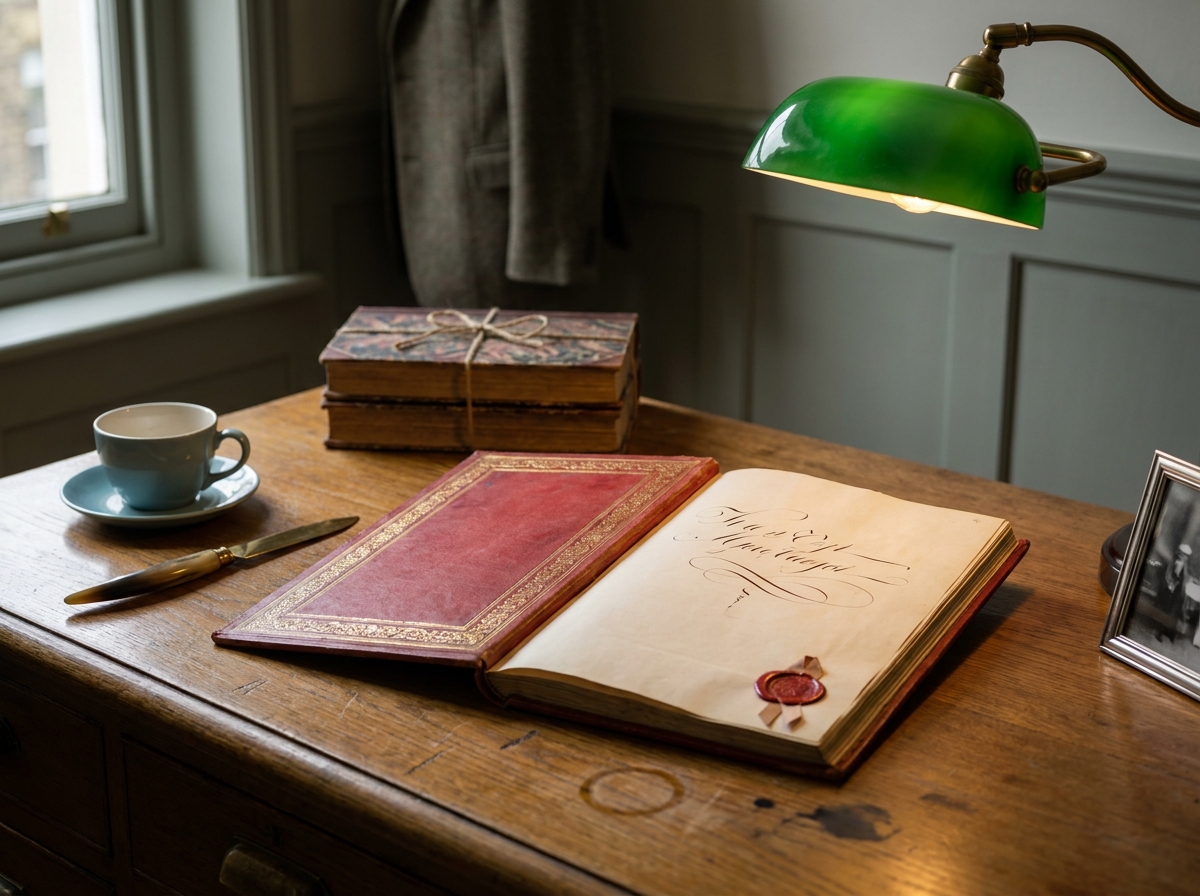
The Scheme of 17 January 1984 is signed and the Eastham & District Welfare Trust is constituted in its present form to relieve, in cases of need, parishioners who are sick, convalescent, disabled or infirm.
Jane Anne Yarnold is appointed to the board in December 2013 — the longest continuously serving of our current trustees and a steady source of parish memory at our meetings.
Rev Julia Curtis is appointed Chair of the trustees in January 2019, succeeding the previous Chair and convening the trustees for their quarterly review of cases of need.
Susan Softly and Rozanne Elizabeth Kerby are appointed to the board in January 2022, refreshing the trustees and bringing additional capacity to the Trust's quiet casework.
Jennifer Anne Barbe is appointed in January 2023, joining the trustees who together steward the Trust's small endowment and its grant-making in line with the Scheme.
The Trust's accounts for the year ending 31 March 2025 are filed with the Charity Commission on time. Total income £8,485; total expenditure £2,185; the Trust's small reserves protected for future need.
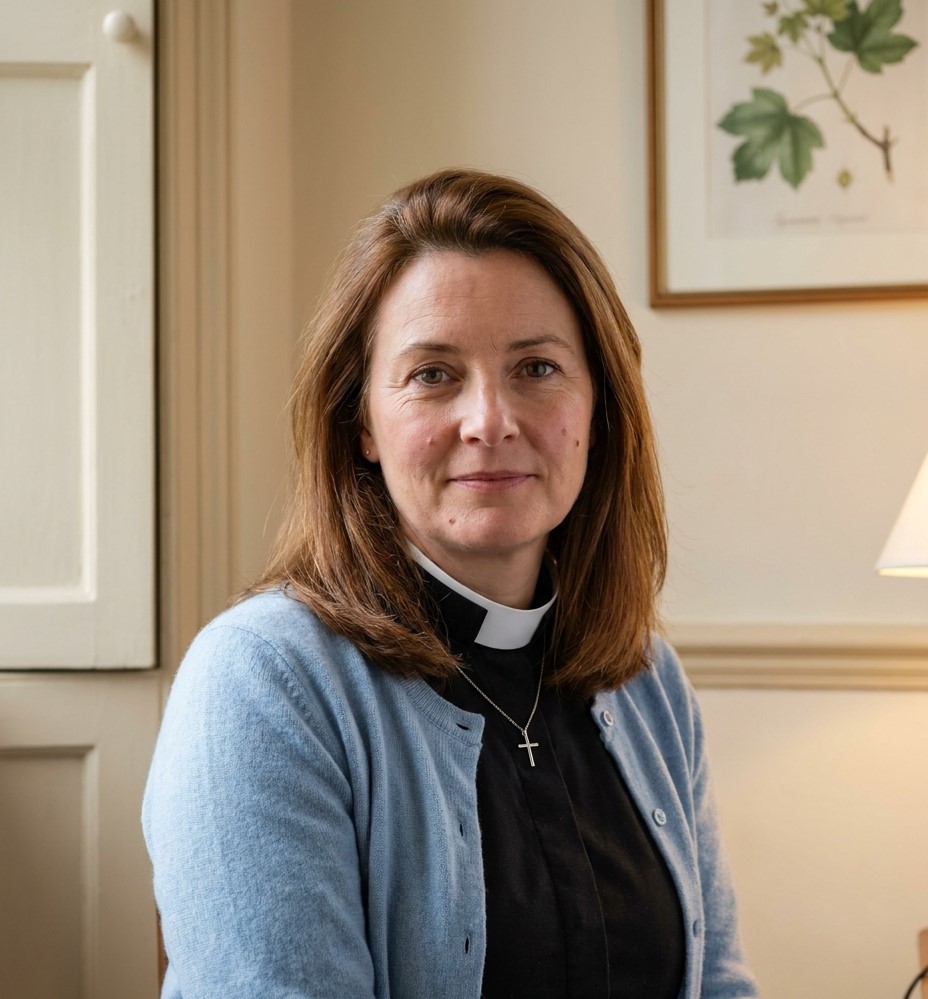
The Trust is governed by a small board of trustees, all serving the Parish of Eastham. No trustee is paid; expenses are reimbursed only on submission of a receipt. The current trustees include Rev Julia Curtis (Chair), Jane Anne Yarnold, Jennifer Anne Barbe, Susan Softly, Rozanne Elizabeth Kerby, Josephine Dorothy Ward, Pauline Briggs, Alyson Mary Brookes and Dr Ravi Mehta. Six of the trustees have given permission for their portrait to appear here.
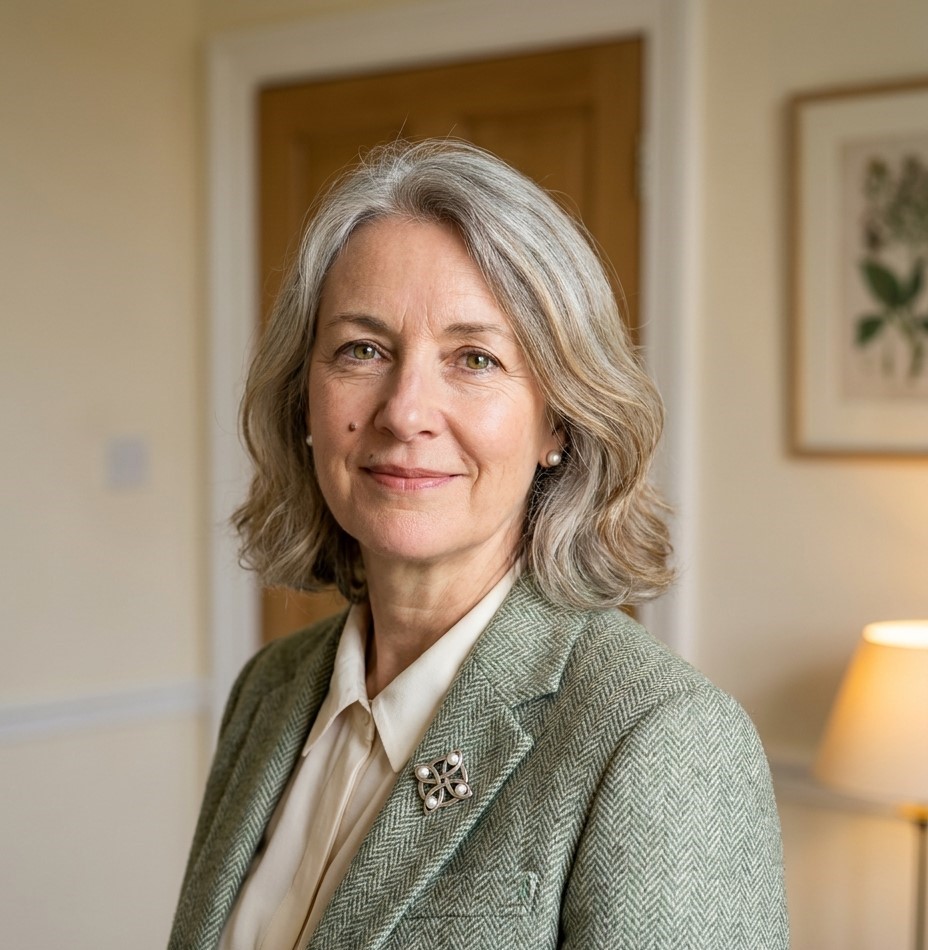
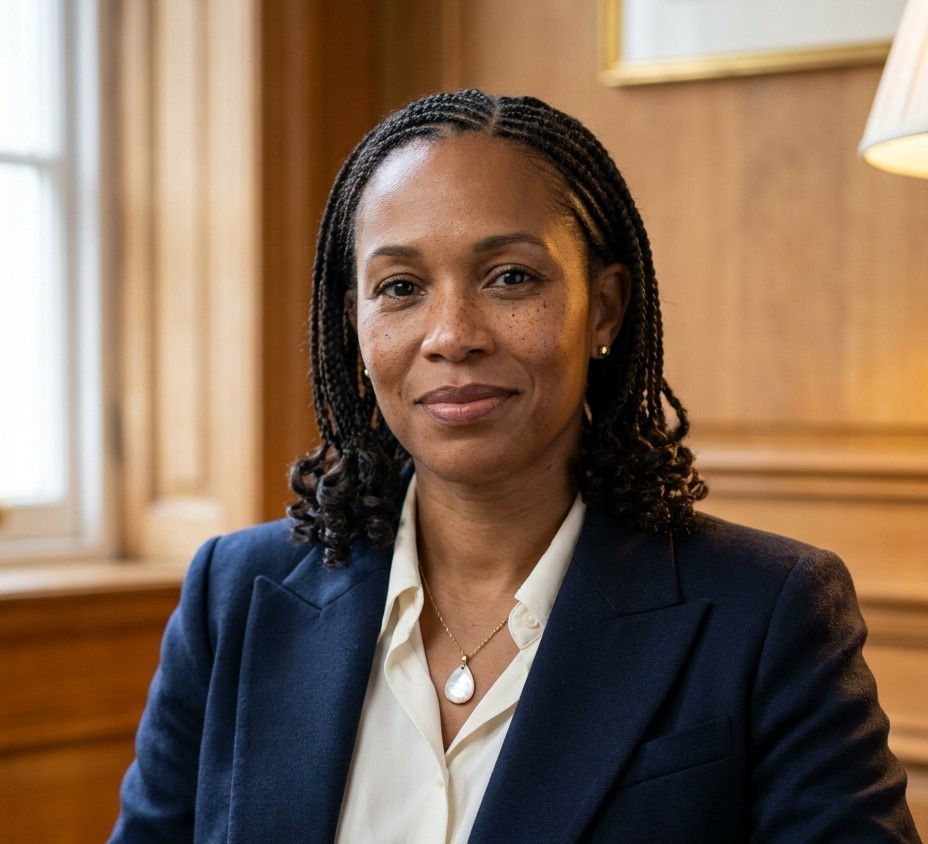
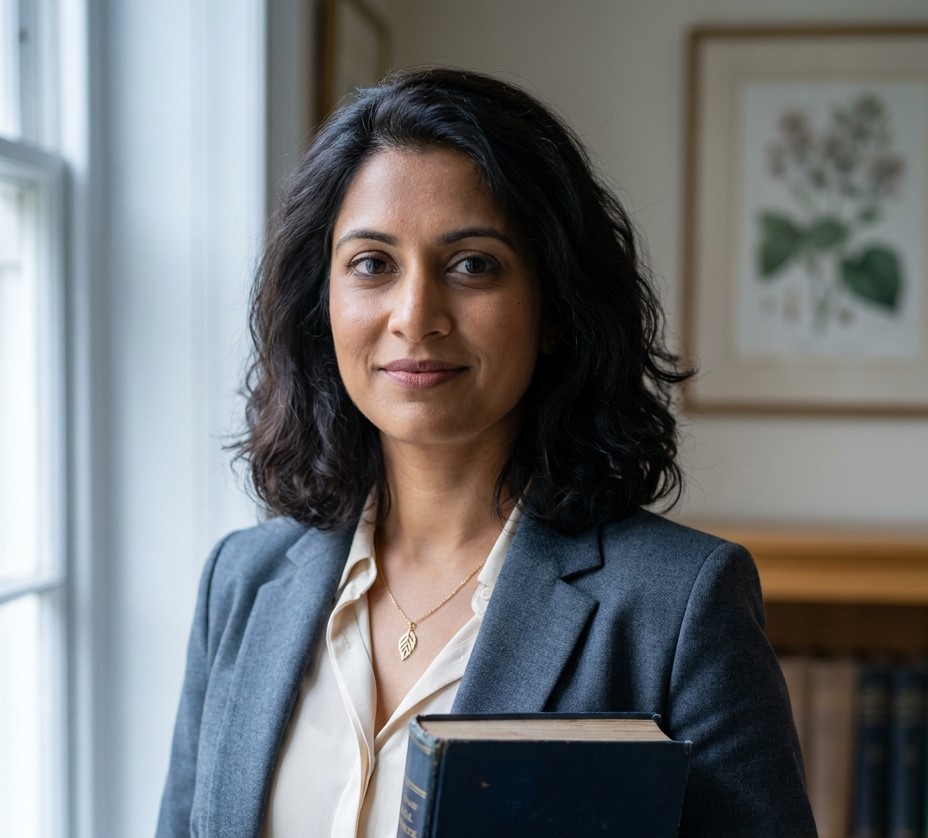
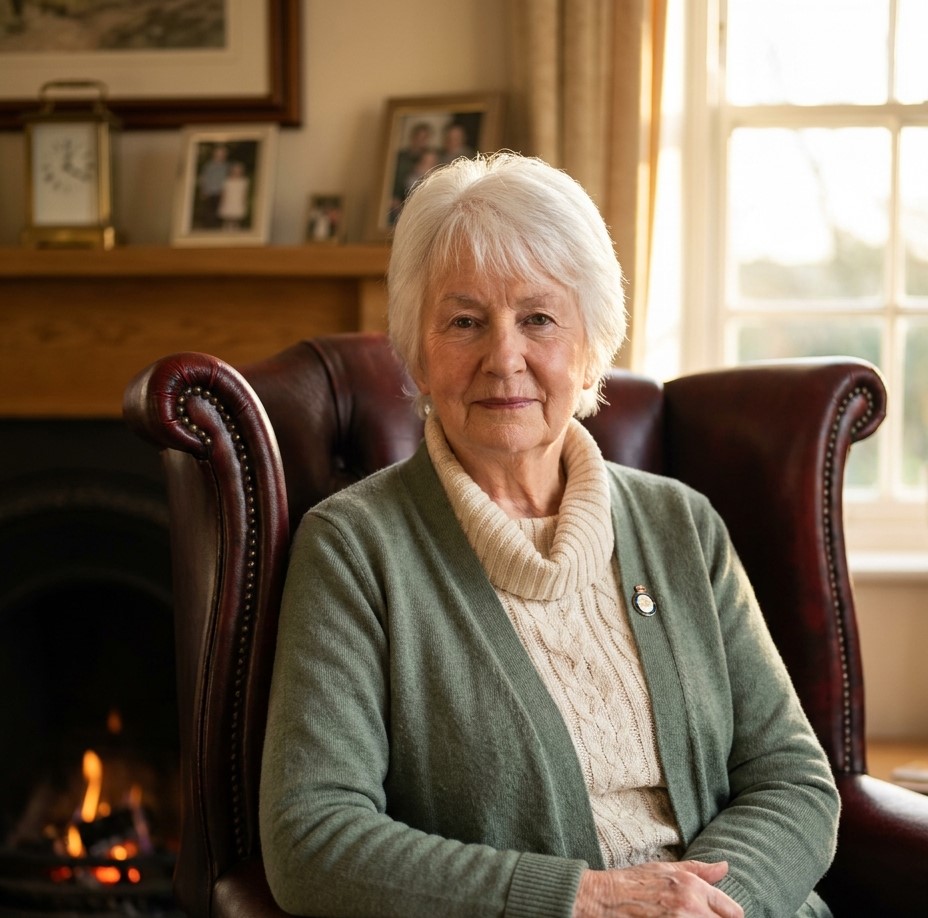
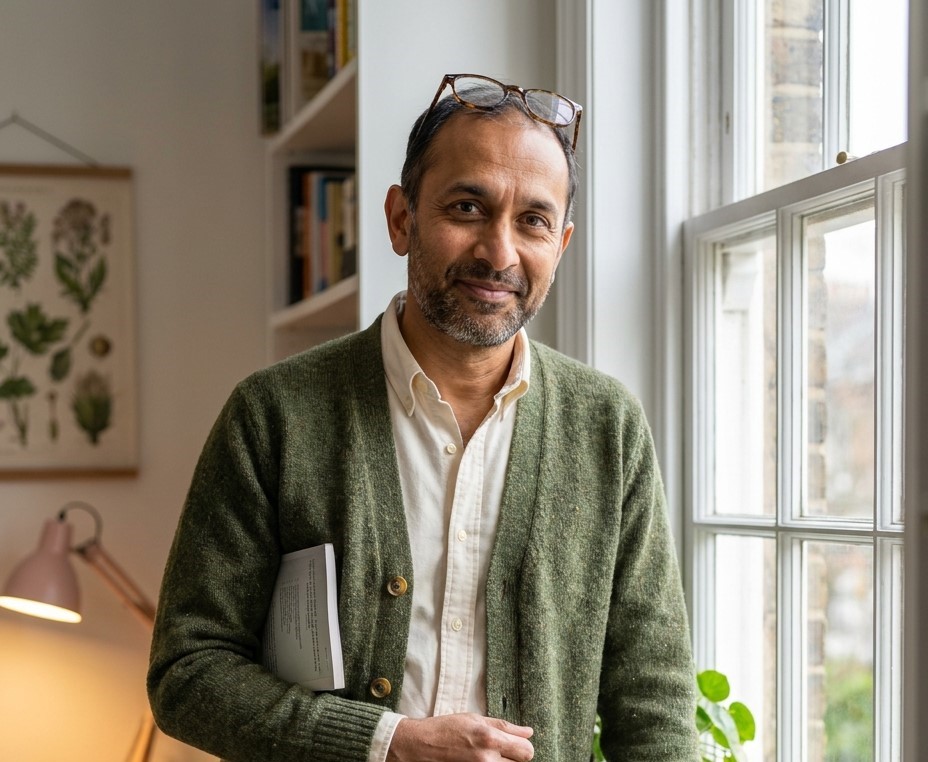
The Trust has no paid staff. The work — meetings, correspondence, casework, accounts — is done by the trustees themselves, who serve as volunteers and meet at Hockerills to consider cases of need and approve small grants in line with the Scheme.
Convening role · unpaid
The Chair convenes the trustees, sets the agenda, signs correspondence and acts as the Trust's first point of contact for serious enquiries and complaints.
Trustee panel · unpaid
Cases of need are brought to the trustees, who review them carefully and confidentially. Where the request falls within the Scheme of 1984, a small grant may be approved.
Trustee duty · unpaid
The Trust files annual accounts with the Charity Commission. Reporting is currently up to date and on time. Independent examination is arranged each year before filing.
Trustee rota · unpaid
Letters and enquiries are answered by the trustees on a small rota. We aim to reply to every parishioner enquiry within ten working days, and sooner where the matter is urgent.
Pastoral · unpaid
Where a parishioner is unwell and a visit is welcome, a trustee may quietly call by — to talk, to listen, and to note any practical need that the Trust might be able to help with.
Trustee duty · unpaid
Trustees follow a simple safeguarding policy and pay particular care when dealing with parishioners who are infirm or vulnerable, and where children may be present in a household.
Trustee duty · unpaid
The Trust holds modest reserves so that grants can be made when need arises. Investments are kept simple and reviewed each year by the trustees at a dedicated finance meeting.
Hockerills · in kind
The Trust's meetings are held at Hockerills, in the parish. No rent is paid; the trustees gather there by long arrangement and the small endowment is not drawn upon for premises.
We are governed by the Scheme of 17 January 1984 and are registered as charity number 220017 with the Charity Commission for England and Wales. We file an annual return with the Commission each year and our reporting is currently up to date.
Pay the bill, deliver the meal, fix the lock. Theories of poverty come later, if at all.
Nobody we help is named on this website, in our accounts, or in our letters home, without their explicit written permission.
The Scheme of 1984 limits us to parish and their adjoining lanes. We have never asked to widen it.
We start a programme when we are sure we can hold it for ten years, and we close one only after twenty.
Our paid team exists to make volunteering easier, never to replace it. the trustees; six employees.
Our books are open to any donor or beneficiary who asks. We publish a one-page accounts summary every year for non-accountants.